Best Motorcycle Cover for Outdoor Winter Storage on a Cruiser with a Batwing Fairing
Disclosure: I earn a commission if you buy through the Amazon links here, at no extra cost to you. As an Amazon Associate I earn from qualifying purchases.
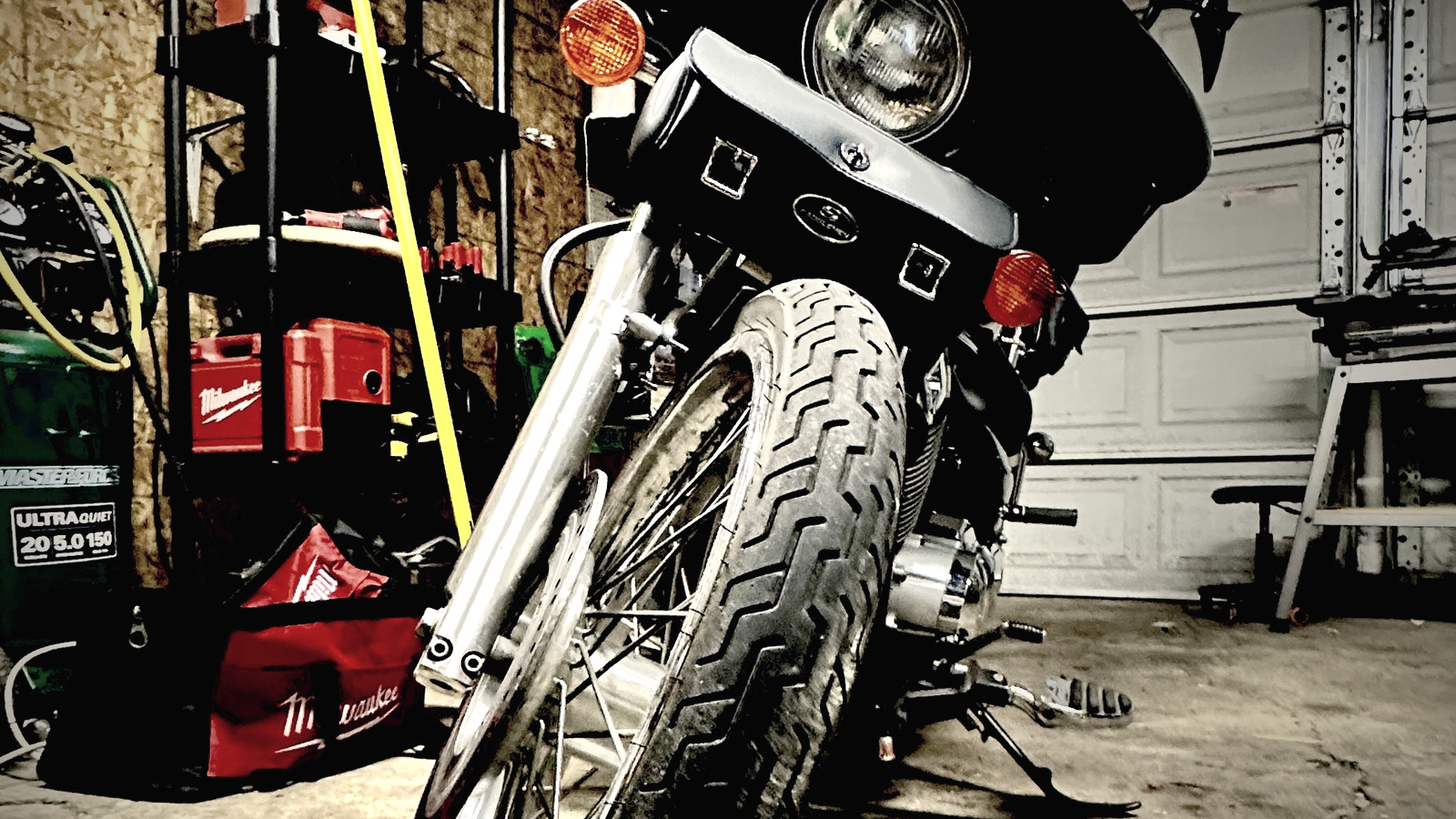
A batwing changes what cover you need. A cover sized for a bare Spirit won't fit over the fairing, and a cover that's too short leaves the bottom of the engine open to snow and road salt.
Sizing: measure the bike, not the model
Covers are sold by size (L, XL, XXL) with a length and height chart. A batwing adds height and width up front, so most covers listed as "fits 750 cruisers" assume a bare bike.
Measure your own bike:
- Length: front tire to the back of the rear fender or bags
- Height: ground to the top of the windshield
- Width: the widest point, usually the fairing or mirrors
Then match those numbers to the maker's chart and go one size up if you're between sizes. With a batwing, the height to the top of the windshield is usually the number that decides it.
My fairing setup is in my batwing fairing guide.
What matters outdoors in winter
- Vents. A sealed cover traps moisture, and the bike sweats under it. Vents let it breathe.
- Heat-resistant panel. Covers made for this have a heat shield by the exhaust so you can cover the bike while the pipes are still warm. Still give it a few minutes.
- Lock grommets. Reinforced holes by the wheels so you can run a cable lock through the cover and the wheel. That keeps wind and thieves from taking it.
- Elastic hem and a buckle strap underneath. Wind gets under a loose cover, and it turns into a sail.
- Waterproof, heavy material. Look for a listed denier rating. Heavier fabric does better with snow load and a whole winter of sun.
- Soft lining near the windshield. It keeps the windshield from getting scratched.
Two covers that check the boxes
I checked these against each maker's own product page.
Nelson-Rigg Defender Extreme (DEX-2000)
Nelson-Rigg lists everything on the winter checklist: Perma-Venting, built-in heat-resistant panels for the exhaust, grommets at the front wheel for a cable lock (lock not included), a soft windshield liner, and an elastic hem with a quick-release belly strap. It's waterproof with taped seams. Sizes run M through XXL. Use their size chart against your measurements. Nelson-Rigg says to let the pipes cool at least 10 minutes before you cover the bike.
Nelson-Rigg Defender Extreme cover on Amazon
Oxford Stormex
Oxford lists ventilation for condensation, lock holes with a lock pouch, a belly strap, bonded seams and a soft lining. Heads up: the heat resistance is in the lining and is only meant for brief contact with the exhaust. It isn't a dedicated panel, so let the bike cool first. Oxford's largest size listed is XL, about 277 cm long × 104 cm wide × 141 cm high (roughly 109 × 41 × 56 in). Measure a batwing bike against that before you order.
Oxford Stormex cover on Amazon
Motorcycle cable lock on Amazon
Garage or outside
My Spirit spends the winter in the garage. A cover still earns its keep in there. It keeps dust, drips and garage grime off the paint and chrome, and it keeps bumps and scratches off the batwing. If your bike sits outside, the vents, heat panel and lock grommets above go from nice-to-have to must-have.
Before the cover goes on
Wash it and let it dry all the way. Put the cover over road salt or wet chrome and it'll eat the bike all winter. Let the pipes cool, then cover it and run the lock through the grommets and the front wheel.
If you leave a tender plugged in, route the lead out under the hem so you don't cut a hole in the cover. The tender picks are in my battery tender guide.
The full storage list is in my Spirit 750 winterizing guide.